
Why Choose Wooden Sash Windows for Your Home?
Choosing wooden sash windows is not simply a style decision. It is a practical choice involving comfort, maintenance, heritage, and long-term value. Their slim timber frames can preserve a period home’s character, while carefully fitted sashes may improve ventilation and reduce draughts.
“Good sash windows should respect the building, not compete with it,” says Richard Ayling, founder of The Sash Window Workshop. This principle explains their lasting appeal. A well-made window can sit naturally within a Georgian terrace, Victorian cottage, or carefully designed modern home. Look closely, and the details matter: smooth-running pulleys, balanced weights, tight meeting rails, and timber joints that resist moisture.
Wooden sash windows also offer a tactile experience. You can feel the painted timber beneath your hand and hear the gentle movement of the upper and lower sashes. Modern double glazing may improve thermal performance, although not every historic frame can accept thicker glass without losing its proportions. Professional assessment is essential.
They are not maintenance-free.
Paint may peel around exposed joints. Condensation can also reveal ventilation problems. Yet these weaknesses are manageable when installers use suitable timber, breathable coatings, and accurate draught-proofing methods. Energy performance depends on the entire building, not the window alone.
Still, wooden sash windows are not perfect for every property. Their cost, upkeep, and conservation requirements deserve honest consideration. This guide explores their benefits, limitations, materials, security options, and installation standards, helping homeowners make a confident decision based on evidence rather than appearance alone.
What Are Wooden Sash Windows?
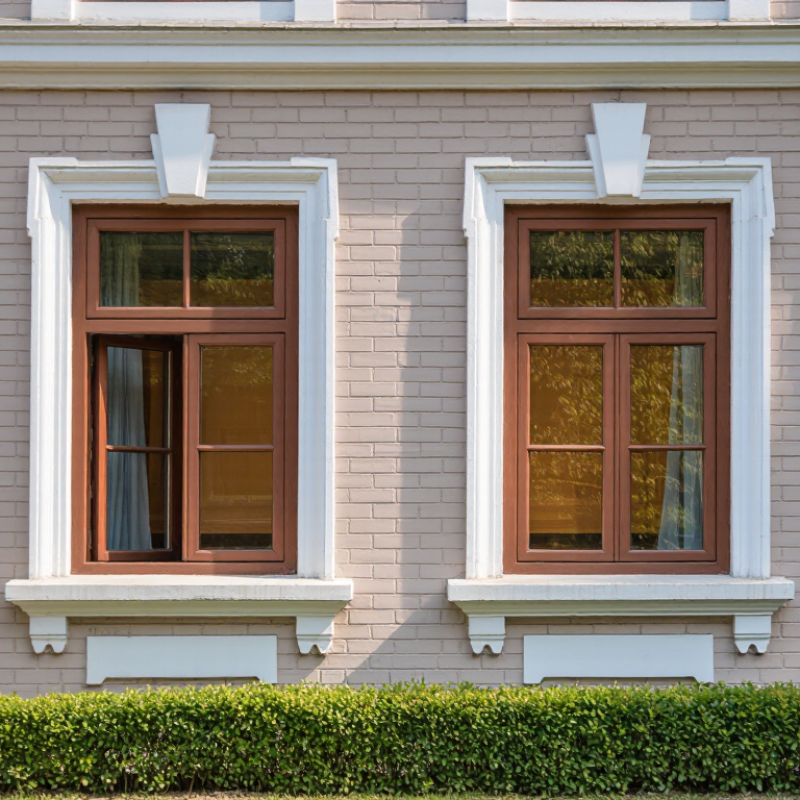
Wooden sash windows are vertical sliding windows made from timber, glass, glazing putty, and moving cords. Each sash is a framed panel that slides upward or downward within the window box. Traditional designs use counterweights, hidden behind the frame, to balance the glass. This makes the window feel surprisingly light when properly maintained.
Their movement is simple but precise. Open the upper sash slightly, and warm air can escape. Open the lower sash, and cooler air enters. This creates natural ventilation without fully opening the window. The U.S. Department of Energy reports that windows can account for 25–30% of household heating and cooling energy use. Draught-proofing, tight meeting rails, and well-fitted glass can therefore make a measurable difference. Yet timber sashes are not maintenance-free. Paint can crack, cords can weaken, and moisture can collect along the lower rail.
For period homes, wooden frames often suit existing brickwork better than modern replacements. Timber can also be repaired in sections, rather than discarded after one damaged area. Responsibly sourced wood supports a lower-impact material choice, but its durability depends on careful painting and drainage. I would not promise dramatic energy savings from old single glazing alone. A proper survey should check decay, air leakage, frame movement, and the building’s ventilation needs before any upgrade is chosen.
How Do Wooden Sash Windows Work?
Wooden sash windows work through a simple counterweight system. Each movable sash slides vertically inside the frame. Sash cords connect the timber panels to concealed weights, running over small pulleys. These weights balance the sashes, allowing controlled movement without heavy lifting. Raise the bottom sash, and warm indoor air can escape. Lower the top sash, and cooler air can enter. This creates useful natural ventilation through the room.
Traditional windows are not automatically energy-efficient. Their performance depends on timber condition, glass type, seals, and installation quality. Historic England reports that professional draught-proofing can reduce air infiltration through traditional windows by up to 86%. Secondary glazing may reduce window heat loss by approximately 60–80%, according to its technical guidance. These figures describe potential improvements, not guaranteed results. A careful survey matters.
Wood also responds to moisture and temperature. Small gaps can appear, while swollen rails may make movement difficult. That is normal, but it needs attention. Replacing damaged cords, lubricating pulleys, and repairing loose joints can restore smooth operation. Modern brush seals reduce rattling without hiding the window’s original movement. The National Fenestration Rating Council recommends comparing U-factor and solar heat-gain data when assessing glazing performance. Timber sash windows require maintenance. That is the honest trade-off. When properly adjusted, they combine ventilation, repairability, and a quieter connection with the building’s structure.
What Benefits Do Wooden Sash Windows Offer?
Wooden sash windows offer more than a traditional appearance.
Their sliding panels provide controlled ventilation, especially in rooms that feel stuffy after cooking. Open the upper sash slightly, and warm air can escape while cooler air enters below. This airflow often feels gentler than a wide hinged window. Timber has natural insulating properties, although glass, seals, and installation quality matter more than material alone. Well-fitted secondary glazing can reduce draughts and outside noise without hiding the original frame.
Quieter evenings. Warmer corners.
Repairability is another practical benefit. A skilled joiner can replace a worn cord, splice damaged timber, or renew putty instead of removing the entire window. This can preserve character and reduce waste. Durable paint protects exposed wood, but maintenance remains essential. Inspect the lower rails each year, where rainwater often collects. I have seen attractive windows deteriorate because small cracks were ignored for too long. Wooden sash windows are not maintenance-free. They may also cost more initially than modern alternatives, and poor detailing can cause sticking or condensation. Ask for moisture checks, accurate measurements, and evidence of similar work before choosing an installer. Good advice should acknowledge limits.
Which Design Options Suit Different Homes?
Wooden sash windows can suit more than historic houses. Their design needs to match the building’s proportions, materials, and daily use. In a Victorian-style home, six-over-six panes create a balanced, traditional appearance. Slim glazing bars make the window feel lighter, especially on narrow upper floors. For a cottage, smaller panes and a softer paint colour can echo nearby stone, brick, or timber.
Modern homes need a quieter approach. Large panes, minimal bars, and deep natural finishes can preserve the sash character without looking old-fashioned. White frames reflect daylight, while dark green or charcoal creates stronger contrast. Consider the room’s direction too. A south-facing window may benefit from solar-control glazing, while a shaded room needs maximum visible glass. Acoustic glazing can help in busy streets, although heavier glass may change the sash balance. Perfect symmetry is not always the best choice.
Tips: Measure the opening and check surrounding details before choosing a style. Look at the meeting rail, sill depth, and frame width from outside. These small elements often decide whether the window feels authentic. Use durable paint and inspect timber joints annually. A small flaw can become serious if water remains trapped. If thermal performance is important, combine suitable glazing with draught seals and properly fitted curtains. I would not choose a design from a catalogue alone; viewing a full-size sample can reveal awkward bars or overly thick frames.
Why Choose Wooden Sash Windows for Your Home?
Wooden sash windows combine traditional proportions, natural materials, and flexible design options. The chart compares common sash configurations by how well they complement different home styles. Scores are design suitability ratings on a five-point scale based on proportion, historical compatibility, and visual balance.
How Should Wooden Sash Windows Be Maintained?
Wooden sash windows bring warmth, proportion, and repairability to a home. Their longevity, however, depends on disciplined maintenance rather than appearance alone. Historic England guidance states that well-maintained traditional timber windows can survive for a century or longer. That figure is encouraging, but neglected paint can quickly expose joints, glazing bars, and timber edges to moisture.
Inspect the windows twice a year, especially after winter. Look for peeling paint, soft timber, cracked putty, rattling glass, and blocked drainage channels. Touch the lower sash rail with a screwdriver. Firm wood is reassuring; a soft spot needs prompt investigation. Clean the channels with a narrow brush, then check that the sashes move without scraping. Do not force them. A small adjustment can prevent larger damage.
Repaint exposed timber approximately every five years, or earlier on weather-facing elevations. Use breathable exterior paint and keep drainage paths open. Replace failed putty carefully, rather than sealing everything with modern filler. The Energy Saving Trust reports that windows can account for around 10% of household heat loss, so professional draught-proofing may improve comfort without removing original frames. Historic England also recommends repair before replacement, where the existing fabric remains sound. This approach can be less wasteful and preserve historic character. Still, maintenance advice is not universal. Coastal air, poor ventilation, and damp interiors shorten service life. A yearly inspection by an experienced joiner is sensible, even when the windows look fine. Looks can mislead.
Why Choose Wooden Sash Windows for Your Home? - How Should Wooden Sash Windows Be Maintained?
| Consideration | What Wooden Sash Windows Offer | Maintenance Action | Typical Frequency | Practical Benefit |
|---|---|---|---|---|
| Architectural Character | Timber sash windows provide traditional proportions, sliding sashes, and natural surface detail that suit period and heritage-style homes. | Clean the frames gently and repair damaged timber before applying compatible primer and paint. | Inspect twice a year | Helps preserve the appearance and architectural character of the property. |
| Natural Material | Wood is a renewable material when sourced from responsibly managed forests and can be repaired rather than replaced when local damage occurs. | Keep painted surfaces intact and ensure exposed end grain and joints remain sealed. | Check annually | Extends service life and can reduce unnecessary replacement waste. |
| Thermal Performance | Well-maintained timber frames combined with suitable glazing and draught-proofing can reduce uncontrolled air leakage. | Inspect seals, meeting rails, staff beads, and frame-to-wall joints for gaps or deterioration. | Every 1–2 years | Improves comfort and may help reduce heat loss caused by draughts. |
| Ventilation Control | The vertically sliding design allows the upper or lower sash to be opened for controlled ventilation. | Keep the sash channels, pulleys, and catches clean and free from obstructions. | Clean as needed | Supports fresh-air circulation while maintaining flexible ventilation control. |
| Smooth Operation | Balanced sashes can open and close smoothly when cords, pulleys, fasteners, and channels are in good condition. | Check for rubbing, loose fasteners, broken cords, or uneven movement; arrange repairs when required. | Test twice a year | Improves usability and helps prevent damage caused by forced operation. |
| Paint Protection | Paint forms a protective coating that helps shield timber from moisture, ultraviolet exposure, and weathering. | Wash surfaces with mild soapy water, lightly prepare peeling areas, and repaint only after the timber is dry. | Usually every 5–8 years | Maintains weather resistance; the exact interval depends on exposure and paint condition. |
| Moisture Management | Timber performs well when it is protected from prolonged wetting and allowed to dry properly. | Keep drainage paths clear, maintain exterior sealants, and check for leaks around sills and masonry joints. | After heavy rain and annually | Reduces the risk of swelling, softening, fungal decay, and paint failure. |
| Glazing and Putty | Traditional glazing systems can be repaired locally instead of replacing the entire window. | Look for cracked glass, loose putty, failed sealant, or water entry and replace defective sections promptly. | Inspect annually | Helps maintain weather resistance and occupant safety. |
| Hardware Care | Original-style catches, lifts, pulleys, and fasteners can complement the window while supporting everyday use. | Clean hardware and apply a small amount of suitable lubricant to moving metal parts; avoid getting oil on painted timber. | Once or twice a year | Reduces friction, corrosion, and premature wear. |
| Timber Condition | Small areas of damage can often be repaired with compatible timber repairs or resin systems, depending on the extent of decay. | Probe suspect areas carefully and consult a qualified window professional when decay affects structural joints or the sill. | During each inspection | Early intervention is generally less disruptive and less costly than extensive replacement. |
| Cleaning Routine | Regular gentle cleaning prevents dirt from collecting in joints, channels, and drainage areas. | Use a soft cloth, clean water, and a mild detergent; avoid abrasive pads and excessive water. | Every 3–6 months | Preserves finishes and makes early defects easier to identify. |
| Professional Inspection | Specialist assessment is useful for older, listed, or heavily weather-exposed windows. | Have major defects, unsafe glazing, structural movement, or persistent moisture investigated by a qualified professional. | As needed or every few years | Supports safe repairs and helps maintain the long-term performance of the window. |
Maintenance intervals are general guidance. Local climate, exposure, timber type, paint system, glazing, and the age of the window can change the appropriate schedule.
Related Posts
-
Top 5 Benefits of Installing Patio Doors for Your Home
-
Why Choose Aluminium Front Doors for Your Home: Benefits and Insights
-
2026 Top Aluminium Doors Trends You Should Know?
-
2026 Best Roller Garage Doors for Global Buyers Questions?
-
2025 Top Trends in Aluminium Doors: Market Growth & Consumer Preferences
-
Top 5 Benefits of Installing Electric Garage Doors: Boost Home Security and Energy Efficiency