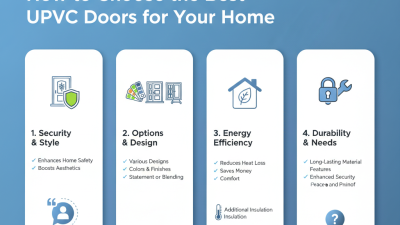

How to Choose the Best UPVC Doors for Your Home?

Choosing the right UPVC doors is less about appearance and more about how the door performs every day. A beautiful white frame may still feel cold if its seals are weak. A modern design may disappoint if the hinges, lock, or threshold are poorly installed. Your home’s age, entrance position, local weather, and security needs should guide the decision.

Fenestration consultant David Pickering says, “A door is only as reliable as its frame, hardware, and installation.” That practical point deserves attention. UPVC doors should be checked as a complete system, not judged by the panel alone. Look for strong multi-point locking, reinforced frames, quality hinges, durable weather seals, and suitable double or triple glazing. Ask about the door’s U-value, warranty, maintenance requirements, and independent product testing. Small details matter.

Think about the handle in winter. Will it remain comfortable? Can rain collect beneath the threshold? Does the door close firmly without being forced? These questions sound ordinary. They often reveal poor design. A low price can be tempting, but installation errors may create drafts, water leaks, or difficult locking later. Even experienced homeowners can overlook the importance of accurate measuring. Therefore, compare written quotations and inspect physical samples before ordering. The best UPVC doors are not always the most expensive. They are properly specified, professionally fitted, and suited to the way your household actually lives.
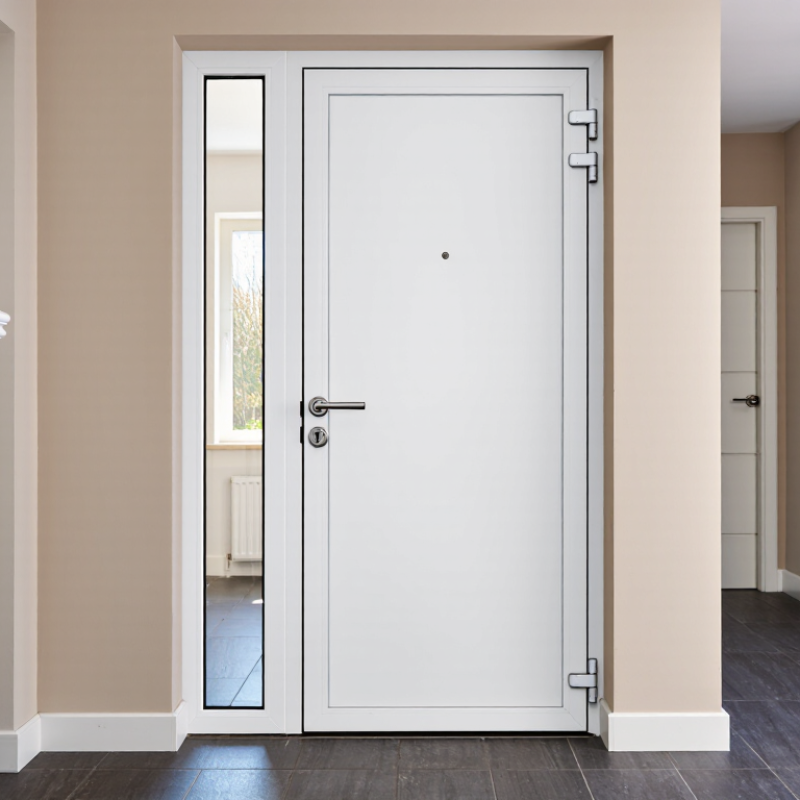
How to Choose the Best UPVC Doors for Your Home?

Assess Your Home’s Needs Before Choosing UPVC Doors

How to Choose the Best UPVC Doors for Your Home?

Assess your home’s needs before choosing UPVC doors. Start with the room, not the catalogue. A north-facing entrance may need stronger thermal performance and fewer glazed panels. A busy rear door needs durable hinges, a low-maintenance surface, and reliable weather seals. Measure the opening carefully, including the threshold and surrounding wall. Small errors can cause drafts, water ingress, or difficult locking.

Small errors can cause drafts, water ingress, or difficult locking.

Energy performance deserves close attention. The U.S. Department of Energy reports that windows account for about 25–30% of residential heating and cooling energy use. This is a useful benchmark for glazed doors. The Energy Saving Trust also estimates that roughly 10–20% of household heat can escape through windows.

25–30%

residential heating and cooling energy use

10–20%

household heat can escape through windows

Ask for the complete door’s U-value, not only the glass rating. Lower is generally better, but installation quality matters just as much. A technically efficient door can still perform poorly when the frame is badly fitted.

Think about daily use. Will children, older residents, or wheelchair users cross the threshold? A reduced step can improve access, but it must still control rainwater. Check multipoint locking, laminated glass options, ventilation, and warranty terms.

Experienced surveyors inspect damp, uneven masonry, and opening direction before ordering. Do not assume every replacement is straightforward.

My own preference would be practical rather than decorative: a secure, well-fitted door that suits the wall, climate, and household routine. Performance claims should be checked against independent test certificates and current building requirements.

Compare UPVC Door Materials, Profiles, and Glass Options

Choosing the best UPVC doors starts with the material, not the colour. Quality UPVC should resist moisture, fading, and everyday impacts. Look for stable multi-chamber profiles with strong internal reinforcement. Steel reinforcement can improve rigidity, especially on wide doors or exposed elevations. A sample corner cut is useful. It reveals wall thickness, chambers, and reinforcement quality.

Profile design affects comfort and security. Deeper profiles usually allow better insulation and larger glazing units. However, a deeper frame is not automatically better. Check the complete door specification, including seals, drainage paths, hinges, and locking points. During a home survey, I would inspect the threshold closely. Poor drainage can leave water near the entrance after heavy rain. That detail is easy to miss. Ask for tested thermal and air-tightness performance, rather than relying on general claims.

Glass changes the door’s daily performance. Double glazing may suit many homes, while triple glazing can improve insulation in colder or noisier locations. Low-emissivity glass helps reduce heat loss. Laminated glass offers added safety and can soften outside noise. Obscure glass protects privacy in bathrooms or street-facing hallways. Large clear panels bring in daylight, but they may increase solar heat during summer. I once underestimated this effect in a south-facing room. Curtains became necessary by afternoon. Consider the direction, frame size, and local climate together, then compare the full profile and glass combination instead of judging a single feature.

Evaluate Energy Efficiency, Security, Durability, and Maintenance

How to Choose the Best UPVC Doors for Your Home?

Energy performance starts with the whole door assembly, not the UPVC frame alone. The U.S. Department of Energy reports that windows can cause 25–30% of household heating and cooling energy use. Doors deserve similar attention, especially at exposed entrances. Check the declared U-value, air-leakage rating, glazing specification, and threshold design. Lower U-values usually indicate better insulation. A warm-edge spacer and low-emissivity glass can reduce cold internal surfaces. However, impressive laboratory figures may disappoint after poor installation. Measure the opening carefully, and inspect the seals before accepting the work.

Security requires more than a heavy-looking panel. Look for tested resistance under EN 1627, with the relevant resistance class clearly documented. A multipoint lock, reinforced hinges, laminated glazing, and a protected cylinder can improve resistance to forced entry. The police-led Secured by Design guidance also stresses certified products and competent installation. Still, certification does not remove every risk. A weak frame connection or careless fitting can undermine expensive hardware. Ask for test evidence, not vague claims.

Durability depends on sunlight, rain, coastal air, and daily use. ISO 4892 weathering methods provide a useful basis for evaluating plastics exposed to light and moisture. Choose stable profiles, corrosion-resistant hardware, and replaceable gaskets. Maintenance should be simple: wipe the frame, clear drainage channels, and lubricate moving parts periodically. The British Plastics Federation notes that properly maintained PVC-U windows can exceed 35 years of service, but door traffic is harsher. Real life is less tidy. Recheck alignment when the door begins rubbing, because small faults often become costly repairs.

Select the Right UPVC Door Style, Color, and Opening Design

Choosing the right UPVC door begins with its style. A clean panel design suits modern homes, while glazed sections add light to darker hallways. Decorative glass can create character, but it may need more cleaning.

Color should work with your walls, roof, and window frames. White feels bright and remains easy to match. Grey and dark green create a stronger entrance. Check a physical color sample outdoors. Indoor lighting can be misleading.

Opening design affects daily comfort. Inward-opening doors protect the exterior swing area, but they need clear hallway space. Outward-opening doors can save interior room, yet nearby paths must remain unobstructed. Sliding or folding designs suit wide openings, although their tracks require regular cleaning. Measure the frame, threshold, and handle height carefully. Small errors become expensive later.

Tips: Watch the door during a trial opening. It should move smoothly without rubbing. Ask about reinforced hinges, weather seals, drainage, and thermal performance. A qualified installer should explain the fitting method clearly. Do not choose from photographs alone. I once underestimated how strongly a dark door absorbed afternoon heat; the entrance felt warmer than expected. That detail changed my preference. Also, review local building requirements before ordering, because ventilation, safety glass, and opening direction may be regulated.

Check Installation Standards, Warranty Coverage, and Total Cost

Choosing the best UPVC door starts with installation evidence, not colour or discount. Ask whether the installer follows local building regulations and the manufacturer’s fitting instructions. In Europe, EN 14351-1 covers doorsets and their declared performance, including air permeability, watertightness, and wind resistance. Request the test results.

Small gaps become expensive.

The U.S. Department of Energy estimates that windows can cause 25–30% of residential heating and cooling energy use. A poorly fitted door can add similar comfort problems around its frame, especially near the threshold. Check the sill, drainage channels, expanding foam, sealant, and locking points before signing acceptance. The EU Building Stock Observatory reported in 2024 that about 85% of European buildings were constructed before 2000. Older openings may need extra preparation, which should appear in the quotation.

Warranty wording deserves careful reading. Confirm separate coverage for the frame, glass, hardware, seals, and installation labour. Check exclusions for condensation, poor maintenance, movement, and unauthorised repairs. Keep it visible. A warranty is weak if nobody explains the claim process.

Compare total cost, not the door price alone. Include surveying, removal, disposal, trims, threshold alterations, finishing work, delivery, tax, and future hardware replacement. A cheaper quote may omit making good around the opening. That mistake is easy to miss. I would also ask for two written quotations and photograph the installation before the final payment.