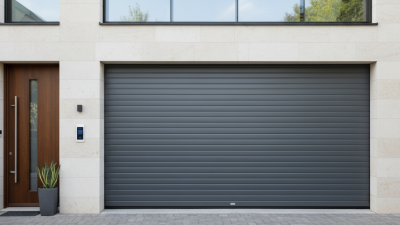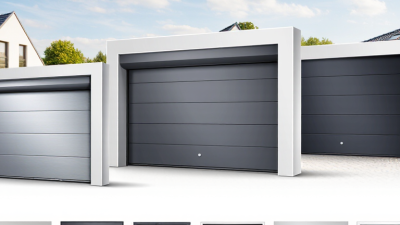

What Is the Best Type of Roller Garage Door?

Choosing the best type of roller garage door depends on more than appearance or price. A reliable decision begins with your garage size, daily usage, local weather, and security expectations. Roller garage doors can offer compact storage because their curtain rolls above the opening. This design preserves driveway space and keeps the ceiling area mostly available.

In practical assessments, the strongest doors usually combine durable aluminium or steel slats, a dependable motor, and responsive safety controls. Insulated models can reduce drafts and outside noise, especially in attached garages. However, insulation performance varies between manufacturers. Check the stated U-value, material thickness, and sealing system rather than trusting broad marketing claims. Wind resistance also deserves attention in exposed locations. A qualified installer should measure the opening carefully and confirm that the door suits the structure.

No door is perfect. A cheaper model may operate well initially but develop noisy movement or weak remote controls over time. A premium door may provide smoother performance, yet its higher cost may not suit every household. Real-world reliability depends on installation quality and regular maintenance. Clear access to the guides matters. So does cleaning grit from the bottom seal.

The best choice is therefore the door that fits your needs, not the most expensive specification. Compare warranties, safety features, repair support, and manufacturer reputation. Ask for installation details in writing. Then consider how the door will feel after five years, not only how it looks on delivery day.
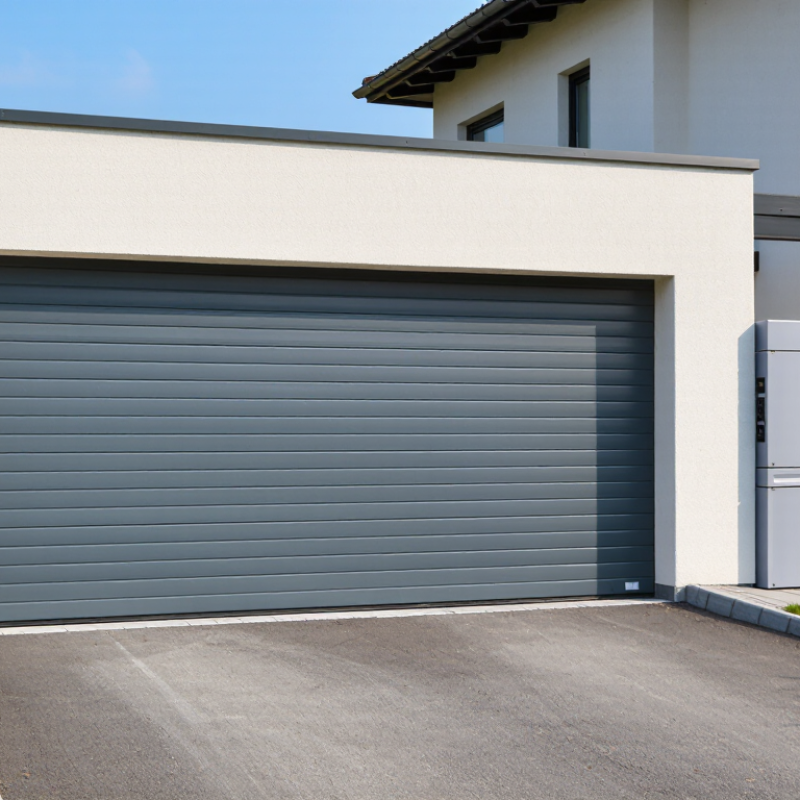
What Is the Best Type of Roller Garage Door?

What Is a Roller Garage Door and How Does It Work?

A roller garage door is a curtain made from connected horizontal slats. The curtain travels vertically inside two side guides. It rolls around a barrel above the garage opening. A motor turns this barrel and moves the door up or down. Springs or a counterbalance system reduce the lifting load. Many systems also include obstacle detection and a manual release for power failures.

The door needs accurate installation. The guides should stand level, and the barrel must sit squarely above the opening. Even a small alignment error can cause rubbing, uneven movement, or noisy operation. Insulated slats usually contain foam between metal layers. They can reduce heat loss and outside noise. Single-skin slats are lighter and often cheaper, but they provide less thermal protection. Measure carefully.

The best type depends on the garage and its daily use. A compact garage may benefit from an external roller door, while an internal model can protect the mechanism from harsh weather. Check the available headroom, wind rating, security features, and emergency operation. Ask the installer to explain maintenance access and safety testing. A door that looks strong may still perform poorly with weak guides or an unsuitable motor. I would not judge quality by appearance alone. Reliable specifications matter more.

Which Roller Garage Door Materials and Designs Are Available?

Roller garage doors are available in several materials, and each suits a different property. Steel provides strong security and resists everyday impacts. Galvanised steel also handles moisture well when its protective coating remains undamaged. However, scratches can expose the surface and eventually encourage rust. Regular inspection matters.

Aluminium is lighter and naturally resistant to corrosion, making it useful near coastal areas. It operates smoothly and places less weight on the opening mechanism. The trade-off is lower resistance to heavy impact. Insulated roller doors usually combine metal skins with foam-filled cores. This design can reduce draughts, outside noise, and heat loss through the garage. It feels warmer in winter, though insulation does not make the room fully habitable.

Design choices include solid slats, perforated slats, vision panels, and compact single-skin profiles. Solid slats offer privacy and better weather protection. Vision panels admit daylight, but they may slightly reduce security and insulation. Perforated sections improve airflow for garages used as workshops. Curtain colour, horizontal texture, window placement, and internal finish also affect the appearance.

Measure carefully. A low ceiling may need a compact box, while limited side space can restrict the guide rails. In practice, I would check wind exposure, drainage, spring condition, and the door’s daily cycle before choosing a finish. No material is perfect. A visually attractive design can still perform poorly if the installation is rushed.

How Do Insulation, Security, and Weather Resistance Compare?

What Is the Best Type of Roller Garage Door?

How Do Insulation, Security, and Weather Resistance Compare?

A good roller garage door should match the building, not just its appearance. In practice, insulation depends heavily on the slat design and installation quality. Double-skinned slats with foam cores reduce heat transfer through the curtain. They also make the garage feel less harsh in winter. Check the stated U-value or R-value, rather than trusting vague claims. A sealed floor may matter as much as the door itself.

Security requires more than a strong-looking surface. Look for reinforced profiles, secure guides, reliable locking, and a protected control system. An automatic stop feature can reduce accidents when obstacles are detected. Manual release access is also important during a power failure. However, no domestic door is completely resistant to determined forced entry. That point is often overlooked.

Weather resistance becomes obvious after months of rain and wind. Side seals should sit evenly against the guides, without visible gaps. A bottom seal helps block leaves, dust, and driving rain. Drainage around the opening prevents water from collecting beneath the curtain. Corrosion-resistant finishes suit coastal or consistently damp areas. I have seen well-insulated doors perform poorly because installers ignored uneven walls. The specification matters, but careful fitting matters too.

What Size, Motor, and Control Options Should You Choose?

What Is the Best Type of Roller Garage Door?

What Size, Motor, and Control Options Should You Choose?

Choosing a roller garage door starts with accurate measurements. Record the opening width, height, headroom, and side clearance. Measure twice. A door that fits tightly may operate poorly when temperatures change. Consider wind exposure, daily usage, insulation needs, and available ceiling space. A compact roller design suits many garages, but it may not be ideal for unusually wide openings.

Motor selection depends on the curtain’s weight, size, and operating frequency. A qualified installer should calculate the required lifting force instead of guessing from appearance. Larger doors usually need stronger motors, while busy households benefit from systems designed for frequent cycles.

I once assumed a larger motor was always better. It was not. Excess power can increase noise, cost, and mechanical stress when the door is lightweight.

Control options should match how people use the garage. A wall-mounted switch offers simple, dependable access. Remote controls are convenient, especially in bad weather. A coded keypad helps families avoid carrying keys. App-based control can provide notifications, but it depends on reliable internet and secure account management. Keep a manual release available for power cuts. Safety sensors, automatic stopping, and professional adjustment deserve close attention. Small installation errors can create frustrating movement, even with good equipment.

How Can You Select the Best Roller Garage Door for Your Property?

Selecting the best roller garage door starts with the opening, not the catalogue. Measure width, headroom, side room, and floor level. A compact roller curtain suits limited ceiling space, but it may reduce insulation compared with a well-sealed sectional design. Check the tested wind rating, curtain material, locking method, and emergency release. Local exposure matters. A coastal property faces salt, gusts, and moisture that can punish untreated components.

Energy performance deserves closer attention. The U.S. Department of Energy’s Energy Saver guidance identifies air sealing and weatherstripping as practical ways to reduce unwanted heat transfer. Therefore, inspect the bottom seal, side guides, and junction above the opening. Ask for independently tested thermal values, not vague claims such as “energy saving.” A lower U-value generally indicates better insulation, but installation gaps can undermine it. Small detail, big consequence.

Budget should include installation, servicing, controls, and future repairs. The National Association of Realtors’ 2023 Remodeling Impact Report recorded 102.7% cost recovery for garage-door replacement, although that covers garage doors generally, not every roller model. Treat it as market evidence, not a promise. Choose insulated slats for an attached garage and corrosion-resistant finishes near the coast. Test noise and closing speed in person. Specifications look perfect on paper. Homes are less predictable.

What Is the Best Type of Roller Garage Door?

The best roller garage door depends on the conditions of your property. This practical selection framework gives the greatest weight to thermal performance, security, weather resistance, available space, and maintenance requirements.

How to use the chart: Choose an insulated roller door when energy efficiency and comfort are priorities. A security-focused design is more suitable for exposed properties, while compact systems are useful where ceiling space is limited. Always confirm the door’s insulation rating, wind classification, safety features, dimensions, and maintenance requirements before purchasing.